


Alignment is the backbone of effective team collaboration and plays a pivotal role in accelerating results across organizations. When teams are unified around clear goals, priorities, and communication norms, they unleash unprecedented productivity, innovation, and accountability.
Why Alignment Matters
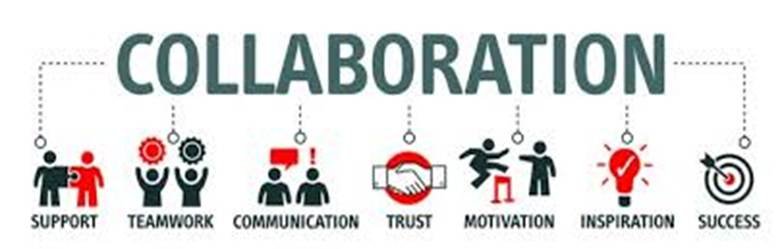
Alignment means every team member not only understands their daily tasks but also knows why those tasks matter—how their work connects with broader organizational objectives. This clarity empowers teams to cut through distractions, avoid duplicated effort, and maintain momentum toward shared outcomes. Well-aligned teams communicate more openly, break down silos, and foster a culture of trust and motivation.
Business Benefits of Team Alignment
- Productivity Soars: Focused efforts lead to achieving more in less time, as teams prioritize what is truly important.
- Rapid Decision-Making: Teams with shared goals can resolve issues swiftly and make informed decisions that drive impact.
- Collaboration Deepens: Alignment eliminates operational silos and fosters knowledge-sharing, sparking innovative solutions.
- Accountability and Ownership: Teams share not only responsibilities but the outcomes, which elevates motivation and quality.
- Higher Morale: Seeing the tangible impact of their contributions, individuals feel valued and engaged, which feeds back into organizational success.
How Alignment Accelerates Results
Aligned teams move faster because they have a shared purpose and understand each member’s role in achieving it. Clear direction reduces confusion, keeps energy focused, and enables faster goal realization:
- Reduced Redundancy: With everyone on the same page, the duplication of work drops, and efforts synchronize.
- Strengthened Adaptability: Well-aligned teams adapt to changes and respond to challenges proactively, ensuring long-term resilience.
- Enhanced Stakeholder Confidence: Transparent progress driven by alignment builds trust internally and with external partners.
Actionable Strategies for Building Alignment
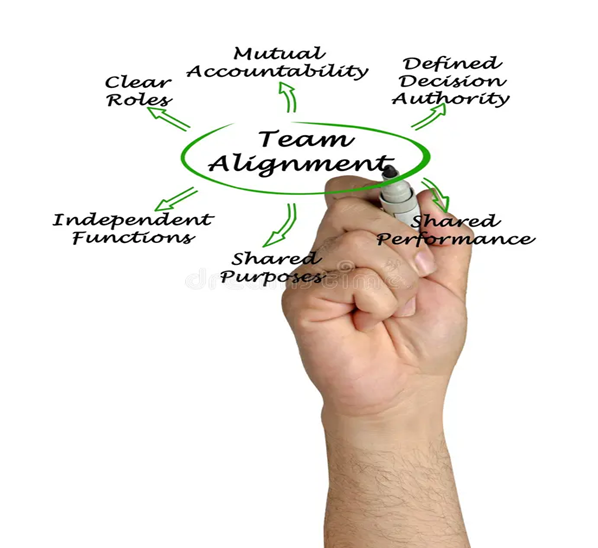
- Set Cascading Goals: Start with leadership, and ensure that strategic priorities filter through every layer of the organization so individual actions drive collective objectives.
- Clarify Roles and Responsibilities: Define how each team member’s work supports wider team and company goals, reducing overlap and conflict.
- Foster Communication and Knowledge Sharing: Break down silos through regular cross-functional meetings, internal knowledge hubs, and collaborative tools that keep everyone informed.
- Reinforce Performance Metrics: Align success metrics with shared goals to drive accountability and performance at every level.
- Conduct Regular Alignment Check-Ins: Reexamine goals, clarify shifting priorities, and recalibrate roles whenever conditions change to maintain momentum.

Real-World Examples
Major organizations, such as Google and Slack, attribute the speed of their project launches and ability to innovate to tightly aligned teams. By mapping every team’s objectives to broader strategic goals, they consolidate workflows, eliminate confusion, and execute with precision—transforming ambitious plans into achieved results.
Conclusion
Team alignment is not a one-time initiative but a continual practice woven into daily routines, transparent communication, and consistent leadership. By fostering alignment, organizations eliminate friction, boost collaboration, and create the conditions for lasting, accelerated success across all dimensions of performance.
